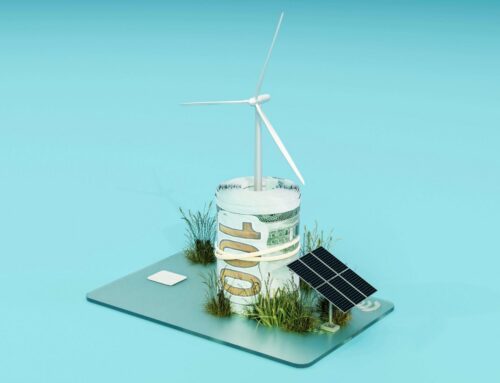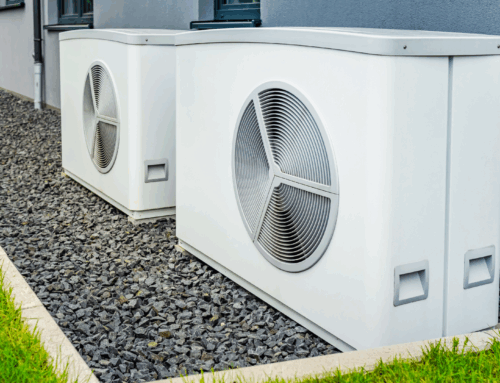
Thinking about installing energy efficiency upgrades on your home? Check out our affordable residential financing programs, currently available to homeowners in Colorado.
A new report by the U.S. Energy Information Administration (EIA) forecasts that residential energy consumption in the U.S. is on an upward climb, forecasting a 2% increase in 2025 and an additional 1% rise in 2026. This growth is a part of a broader increase in total electricity usage, which grew by 2% in 2024 and is expected to continue expanding by 86 billion kilowatt-hours (BkWh) in 2025 and 77 BkWh in 2026.
Key Trends Contributing to Rising Residential Energy Demand
Several key trends are driving the rise in residential energy consumption across the U.S., including:
- Home Electrification: The shift from fossil fuel-based to electric alternatives, such as heat pumps and induction stoves, increases electricity usage within homes.
- Increased Adoption of Electric Vehicles (EVs): As more consumers choose EVs, household electricity consumption rises due to the need for regular vehicle charging.
- Smart Home Technologies: The proliferation of smart devices and home automation systems, while enhancing convenience, adds to the overall energy load.
- Population Growth and Urbanization: A continuously growing population and urban expansion lead to a higher number of households, each contributing to additional energy consumption.
Helpful Tips for Homeowners to Keep in Mind

To manage and potentially reduce individual energy consumption, there are a variety of steps homeowners can take such as:
- Energy Efficiency Upgrades: Investing in energy-efficient and renewable energy upgrades such as solar panels, home insulation & air sealing, space heating & cooling can help lower overall electricity usage.
- For example, a heat pump water heater (HPWH) offers significant energy savings for homeowners compared to a standard electric resistant water heater. For a family of four, it can reduce annual energy costs by approximately $550 annually compared to a traditional electric resistance water heater. Learn more from Energy Star here.
- Smart Energy Management Systems: Utilizing smart thermostats and energy monitoring devices helps optimize energy consumption patterns.
- Smart thermostats, like the Nest Learning Thermostat or Ecobee SmartThermostat, automatically adjust heating and cooling based on your schedule and preferences, ensuring comfort while minimizing energy use. Energy monitoring devices, such as Sense or Emporia Vue, provide real-time insights into household electricity consumption, helping identify energy-hungry appliances and opportunities for efficiency improvements.
- Rebates and Incentives: Making energy-efficient upgrades is easier than ever with thousands of dollars in rebates and incentives now available to homeowners.
- Many federal, state, and local programs offer financial assistance for home electrification projects, such as installing heat pump water heaters, solar panels, and insulation improvements. To find out what incentives you may qualify for, check out this homeowner incentive calculator, which provides a personalized estimate of potential savings that can help you jump start your project.
- Participation in Demand Response Programs: Engaging in utility programs that incentivize reduced usage during peak demand periods can lead to cost savings. Check with your local utility for availability.
- For example, Xcel Energy has incentives through its Saver’s Switch program in which customers can earn a $40 credit on your utility bill for every year of participation. Other demand response programs like at Puget Sound Energy offer cash back or additional incentives for the length of time in the program.
- Access Affordable Financing Options: CCEF administers two residential programs in Colorado to help make energy-efficient and clean energy upgrades more accessible and affordable for homeowners.
- The Colorado Residential Energy Upgrade (RENU) loan program is a statewide loan program that features no money down and partners with Colorado-based credit unions to help finance clean energy upgrades such as solar panels, heat pumps, energy-efficient windows and doors, and more. Another program called the Electrify & Save On-Bill Repayment Program is available to Coloradoans in participating utility co-op territories where a resident can repay the cost of the measure and installation via a voluntary tariff on their monthly utility bill.
Current Projections: Growth of Renewable Energy Generation
With the rise of energy demand, the energy generation landscape is undergoing significant changes. The EIA anticipates substantial growth in renewable energy capacity, particularly solar power, which would increase U.S. solar generation by 34% in 2025. Battery storage projects are expected to increase to support renewable energy sources like solar and wind as they integrate into the power grid.

Image Source: EIA, Link to Source
Implication of Changing Energy Landscape
These new developments in renewable energy generation have several implications to the energy landscape, such as:
- Potential Cost Savings: The increased share of renewables, which have lower marginal costs, could lead to more stable or reduced electricity prices over time.
- Enhanced Grid Reliability: Advancements in energy storage and varied energy sources contribute to a more resilient power grid, reducing the likelihood of outages.
- Environmental Benefits: A cleaner energy mix with higher renewable generation can reduce greenhouse gas emissions and improve air quality, contributing to environmental resiliency.
While residential energy consumption in the U.S. is projected to rise in the coming years, the expansion of renewable energy generation and storage capacity is set to meet this demand in a sustainable manner. Homeowners can benefit from these advancements through potential cost savings, improved grid reliability, and environmental benefits.