With advanced heat-pump technology and improving incentives — commercial developers and contractors in Colorado are rethinking HVAC design. There is a significant focus on system longevity, year-round comfort, reducing operating expenses, meeting sustainability/decarbonization goals, and creating value in a market that increasingly values energy efficiency.
So, which makes more sense for your building: a furnace-based system, a modern heat pump, or a hybrid?
HVAC Innovation
Furnace based systems have long been a reliable method, but now modern heat pump solutions are becoming more popular. Once limited to mild climates, heat pump systems are now increasingly capable in cold climates, thanks to new cold-climate models and smart controls. The question for commercial building owners is: which system aligns best with my local climate, my budget, and my long-term performance goals?
Furnace (or boiler)-based systems
Commercial furnaces generate heat via combustion (natural gas, propane, oil) or via electric resistance. The heat is then distributed through ductwork, risers, radiators or other terminal devices.
Heat pumps
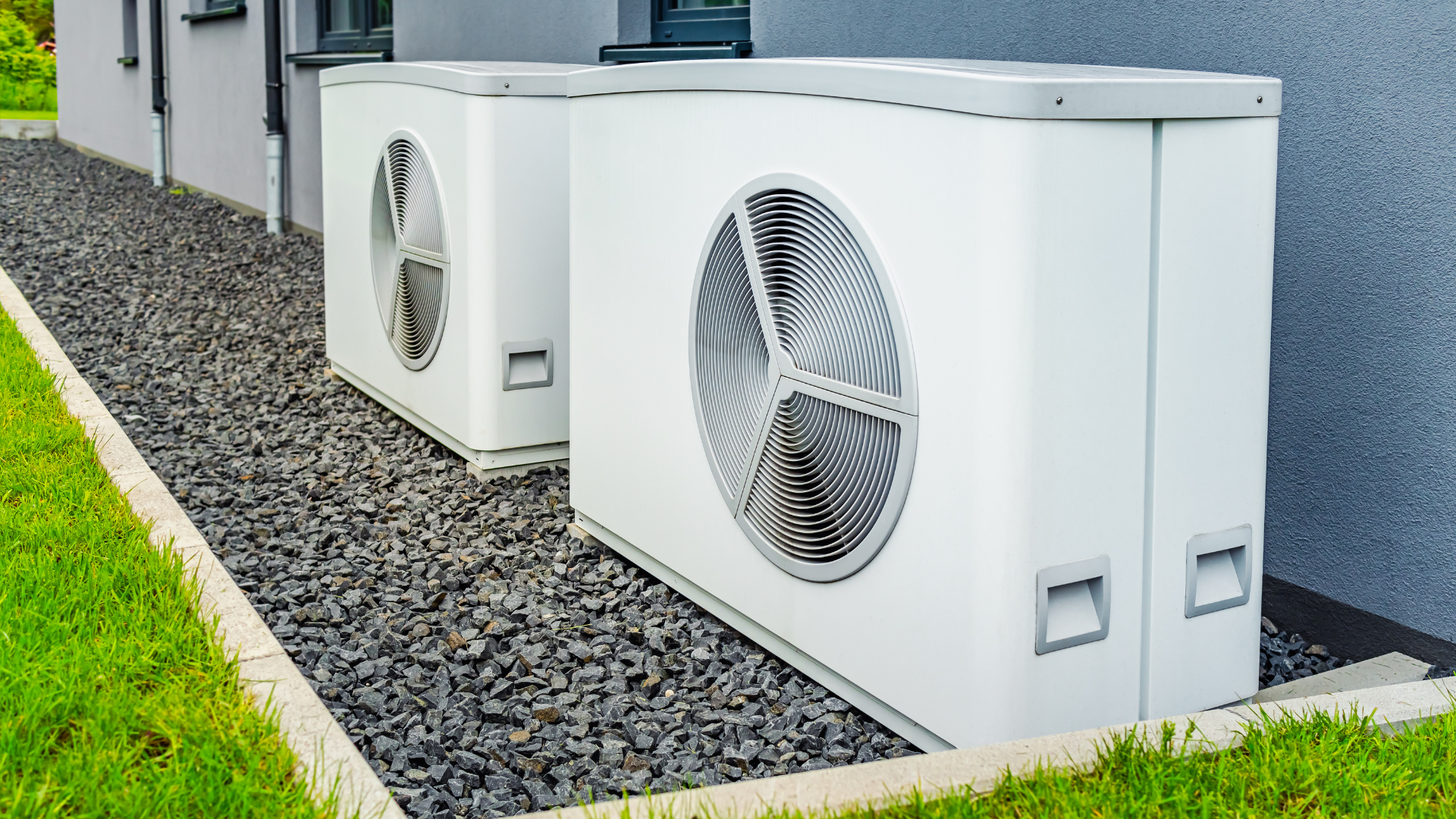
Heat pumps operate by transferring heat rather than generating it. In winter, they extract heat from the outdoor air (or ground) and transfer it inside. In summer, they reverse this process and act like an air conditioner. This dual-function, heating + cooling, capability makes heat pump systems very flexible in commercial settings.
Because they use electricity to move heat rather than burn fuel to make heat, their efficiency can exceed 100% (in terms of heat delivered vs electricity consumed), when compared on a consistent basis. Take a look at the different types of heat pump systems available here.
In commercial buildings, these systems are increasingly viable. Modern “cold-climate” or high-capacity heat pump systems can deliver competitive performance even in colder conditions.

Source: U.S. Department of Energy
Performance in Colorado’s Climate
Colorado’s conditions present specific challenges: variable altitude, cold winter nights, large day/night swings, and in many cases older legacy buildings with less than ideal building envelope performance. This means HVAC design must account for Colorado’s unique circumstances such as:
- Outdoor temperature extremes – While Colorado’s front range, high desert regions, and the Denver metro area typically see moderate winters, many high altitude and mountain towns face extended sub-freezing periods.
- Air density and altitude effects – At higher elevations the HVAC equipment may behave differently (for example, reduced air density affects heat transfer).
- Building envelope and load profiles – Older commercial buildings may have inefficient windows, uninsulated exterior walls or slab-on-grade exposures, increasing the heating load.
- Cooling load seasonality – Because many buildings need both heating and cooling, a system that can serve both efficiently helps reduce cost and simplify maintenance.
In this context a high-efficiency furnace still offers predictable heating performance even on the coldest days, making it a safe “fallback.”
However, modern heat pump systems offer a compelling proposition: they reduce operating costs, and simplify system architecture by heating + cooling in one (especially when matched with improved insulation, smart controls and renewable electricity). For projects aiming at sustainability certifications, utilizing heat pumps that produce zero direct on-site emissions is a strong advantage.
Check out our Project Spotlights to see how Colorado residents and businesses are upgrading to utilize heat pumps.
“We've seen many heat pump project requests come through this past year, which makes sense given the numerous incentives available in Colorado and the energy savings that can result from switching to heat pumps. Plus, advancements in the technology make it a good choice even in cold weather climates.”
Cost Comparison & Total Cost of Ownership
Cost metrics matter for developers, business owners, and property owners: initial capital cost, operating cost, maintenance costs, system lifespan, and resale value.
Upfront/installation cost
Heat pump systems typically have higher upfront equipment or installation cost than a standard furnace-based system (especially if the building must be rewired, ducted properly, or upgraded for optimal operation). However, because a heat pump often replaces both a heating and cooling system, the net combined cost can be competitive.
>In commercial retrofit situations, the incremental cost of converting to a heat pump may be offset when you factor lifecycle savings, rebate/incentive capture and simplified maintenance.
Operating cost & maintenance
- Because heat pumps transfer heat instead of generating it, they can offer significantly lower utility bills over time, especially when electricity is sourced from renewables or when time-of-use utility rates are favorable.
- Furnaces burn fuel (natural gas, propane) or use electric resistance; although high-efficiency models exist, they still incur fuel costs and often have higher emissions.
- Maintenance: Heat pumps may require more regular servicing because they run year-round (heating + cooling), but modern systems with variable-speed compressors, smart controls and remote monitoring reduce risk and downtime.
- One study notes for commercial buildings: lifespan of heat pump systems ~10-15 years, while traditional HVAC systems may last longer but require separate systems to cover heating & cooling.
Environmental Impact & Strategic Value
For commercial property owners and developers, the environmental story is increasingly important. Tenants, investors and regulators are all paying attention to energy, emissions and ESG performance.
- Heat pumps produce no direct on-site emissions when powered by renewable electricity, the embodied carbon of operation is very low.
- Furnaces, even modern high-efficiency systems, contribute CO2 and other emissions because they burn fuel.
Financing and Incentives – How CCEF Supports You
Whether you’re a developer planning a new build, a contractor proposing upgrades, or a small business owner seeking to optimize operating costs; accessible financing or a bridge-gap loan are key advantages that CCEF provides.
- CCEF is a nonprofit green bank and offers low, fixed interest rate financing for clean energy and efficiency upgrades helping you move forward on clean energy initiatives quickly rather than delaying until budgets align. This means you capture incentive windows and start generating savings sooner.
- Contractors partnering with CCEF benefit from simplified financing discussions with clients, making the proposal more attractive and reducing buyer friction.
Colorado Energy Office provides grants, loans, rebates, and other financing options to assist in the State’s transition to clean energy. Businesses, industrial entities, and non-profit organizations may be eligible for the funding and financing opportunities.
When to Choose a Heat Pump
Heat Pumps are the right choice when:
- The building is located in a moderate to cold climate zone where new “cold-climate” heat pumps perform well.
- The building is new or undergoing a major renovation, so system integration, controls, and envelope improvements can be coordinated.
- Sustainability goals or tenant demands make low-emissions heating a priority.
- Fuel cost risk or carbon exposure is a material concern.
Heat pump systems offer a compelling combination of comfort, efficiency, and long-term savings for home and building owners. Contractors who offer high-performance heat pump systems can deliver a modern, sustainable, cost-effective solution that meets rising consumer demands. And with low-interest, accessible financing through programs available with CCEF, contractors can empower clients to move forward with upgrades that might otherwise feel financially out of reach.
Partnering with CCEF
Since CCEF only provides financing for projects with authorized partners, joining our Contractor Network in three simple steps can give you a competitive edge when it comes to winning bids. If you’re a small business owner interested in financing options for your upcoming heat pump or energy project, our commercial loan page will showcase our latest offerings.
Attention Contractors! Heat Pump Water Heater Symposium – February 2026
Are you an HVAC or mechanical contractor working in commercial buildings? Join us at the upcoming Heat Pump Water Heater Symposium!
Happening February 11, 2026 in Westminster, CO.
Read more and register here.