Need financial support for your next home energy upgrade? Learn more about our residential financing programs currently available to homeowners in Colorado.
As energy costs rise and the need for sustainable living becomes more urgent, many homeowners are turning to home electrification as a way to potentially address their carbon footprint, energy efficiency, and utility bill costs. But what exactly does home electrification mean, and how can you get started?
In this blog, we’ll walk you through the basics of home electrification, its benefits, and the first steps you can take to electrify your home.
What is Home Electrification?
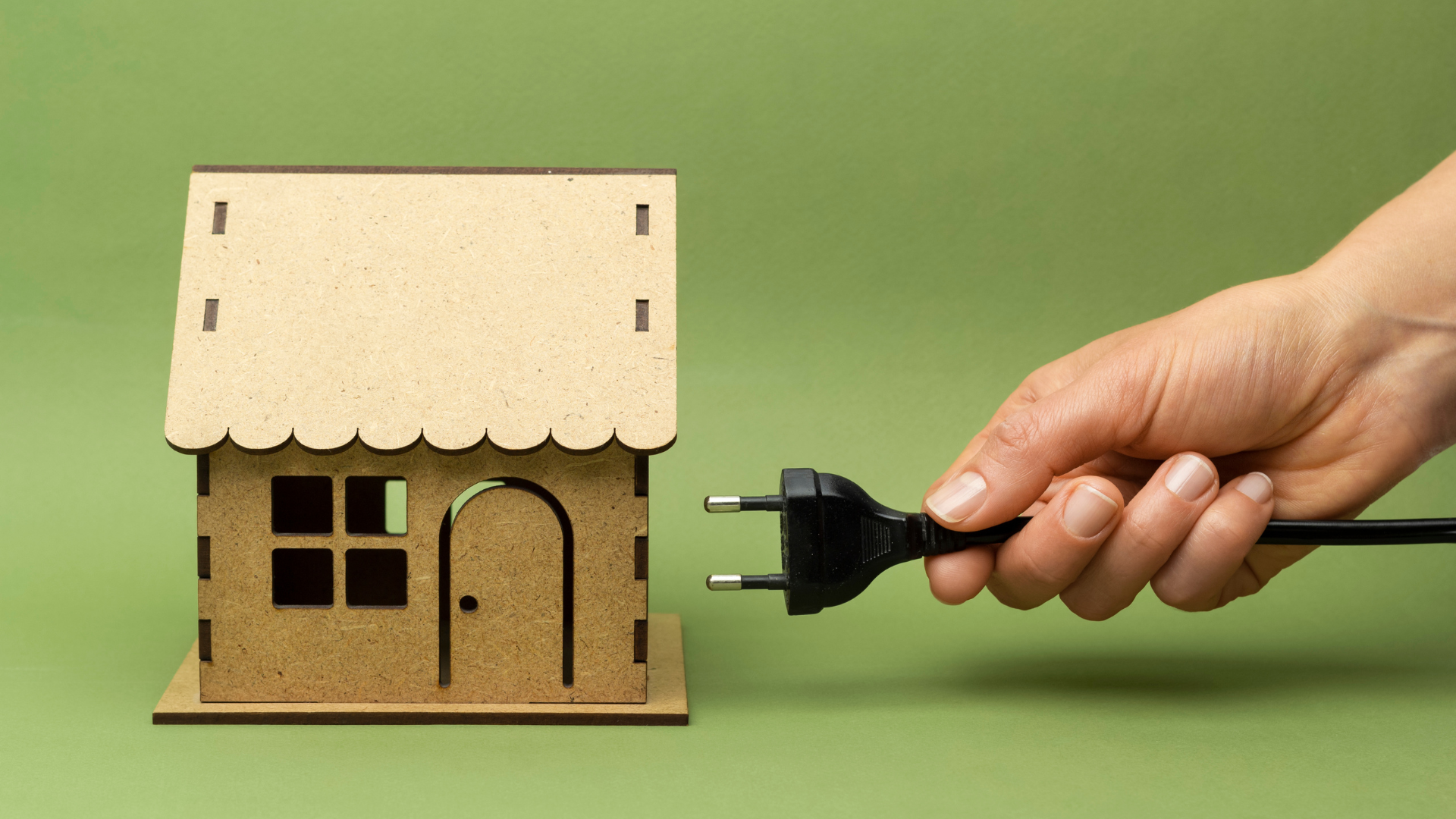
Home electrification is the process of transitioning your household's energy consumption from fossil fuels to electricity, utilizing efficient electric appliances and systems. This shift can lead to reduced greenhouse gas emissions, improved indoor air quality and potentially significant cost savings over time. With advancements in technology, numerous incentives and financing options, electrifying your home has become more accessible and beneficial than ever.
Strategies To Electrify Your Home
As mentioned, this process involves replacing traditional fossil fuel-powered systems with electric alternatives. Here are a few key areas of home electrification to consider:
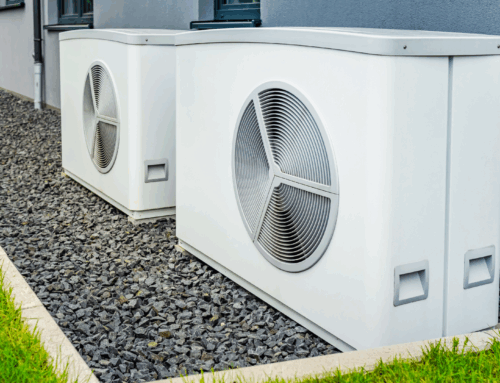
- Heating and Cooling: Transitioning from gas furnaces and boilers to electric heat pumps, which provide both heating and cooling efficiently.
- Water Heating: Install electric heat pump water heaters that use less energy compared to conventional models.
- Cooking Appliances: Opt for induction cooktops and electric ovens, offering precise temperature control and improved indoor air quality.
- Laundry: Use electric heat pump dryers that consume less energy and are gentler on clothes.
- Transportation: Consider an Electric Vehicle (EV) for your next vehicle purchase to reduce reliance on gasoline.
- Solar Panels: Installing solar photovoltaic (PV) panels enables homeowners to generate their own clean electricity, reducing dependence on the grid and cutting energy costs.
- Windows and Doors: Not exactly an electrification measure, but upgrading to energy-efficient windows and doors can minimize heat loss in the winter and heat gain in the summer, improving overall comfort and reducing the workload on heating and cooling systems. Don’t want to go for full replacements? Consider low-e storm windows, a cost-friendly option to minimize air leakage from your home’s older windows.
Embarking on home electrification may require electrical panel upgrades to accommodate increased demand and ensure safety. Consult with a qualified electrician who can provide guidance tailored to your home's specific needs.
There are also a variety of lower power electrification strategies that homeowners can use without making intensive panel upgrades such as installing Level 2 EV chargers that use 20 amps versus 50 amps and low power 120V appliances (some with battery/thermal storage).
Benefits of Home Electrification
There are many advantages of transitioning to an all-electric home. Let’s take a look at a few below:
1. Lower Energy Costs Modern electric appliances are designed to be more energy-efficient than their gas-powered counterparts. Heat pumps, induction stoves, and electric water heaters use less energy, which can translate to lower utility bills—especially when paired with renewable energy sources. Additionally, various incentives and financing programs are available to help offset the upfront expenses.
2. Reduced Carbon Footprint Fossil fuels like natural gas and propane release carbon dioxide and other pollutants into the atmosphere. By electrifying your home and sourcing electricity from clean energy providers, you can dramatically reduce your household’s carbon footprint.
3. Improved Indoor Air Quality Gas appliances can release harmful pollutants like carbon monoxide and nitrogen dioxide, which have been linked to respiratory issues. Switching to electric appliances eliminates these emissions, leading to cleaner indoor air and a healthier home environment.
4. Increased Home Value Homes with energy-efficient, electric upgrades are becoming increasingly attractive to buyers. Features like solar panels, heat pumps, EV chargers, and induction cooktops can add value to your home and make it more appealing in the real estate market, depending on where you live.
How to Get Started
Ready to take the first step? Here are a few essential steps to begin your home electrification journey:
Step 1: Assess Your Home's Needs: Conduct a home energy audit to identify areas where electrification and efficiency improvements are most beneficial. Not sure who to contact? Reach out to your local utility as many complete in-person audits and some can provide rebates for these audits as well. In addition, our partner at Zero Homes can work with you – schedule an intro call here to get started.
Step 2: Plan Upgrades Strategically: Prioritize projects that offer the highest energy savings and return on investment. Consider when your equipment may be reaching the end of its useful life and proactively plan your swap-out ahead of time to avoid an emergency replacement situation.
Step 3: Stay Informed: Tax credits and incentives can change. Regularly check official resources to ensure you have the most current information. We understand that’s a lot to keep track of – that’s why we include an incentives calculator on our website, designed by our friends at Rewiring America.
Step 4: Consult Certified Professionals: Work with certified contractors familiar with energy-efficient installations to ensure quality work and compliance with eligibility requirements. At CCEF, we vet all of our authorized contractors to ensure you are working with credible installers with a strong business reputation.
By thoughtfully planning and utilizing available resources, home electrification becomes a practical and rewarding endeavor, leading to a more sustainable, healthy, and cost-effective living environment.
Accessing Financing Programs
Colorado Residential Energy Upgrade (RENU) Loan
The Colorado RENU Loan is a statewide program available to all homeowners in Colorado and is sponsored by CCEF in partnership with Colorado-based credit unions. It offers homeowners low-cost, long-term financing for a wide range of energy efficiency and renewable energy projects with no money down.
Electrify and Save On-Bill Repayment (OBR) Program
The Electrify and Save On-Bill Repayment Program enables homeowners in participating utility cooperative territories to finance energy-efficient upgrades with no upfront costs. Repayments are conveniently integrated into the homeowner’s existing monthly utility bill. Unlike a traditional financing structure, the consumer’s bill pay history is assessed rather than their credit, qualifying a broader base of participants.