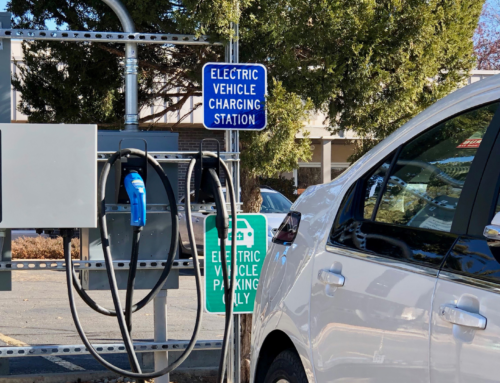
Businesses that integrate sustainable practices into their operations not only contribute to a healthier planet but can also improve their financial performance. Research from NTT found that 44% of businesses surveyed improved their profitability as a result of incorporating sustainable programs into their operations. Sustainability has the power to increase operational efficiency, create strong consumer loyalty, and unlock financial incentives for businesses.
Boosting Operational Efficiency
One of the most immediate and tangible benefits of sustainable business practices is improved operational efficiency. Businesses that invest in energy-efficient technologies and supplies can significantly reduce their energy costs while enhancing overall productivity. According to McKinsey & Company, sustainability reduces costs and can impact operating profits by up to 60%.
By implementing similar energy-efficient upgrades, businesses across industries can lower operating expenses and future-proof their businesses against rising energy costs.
Meeting Consumer Demand for Sustainability
Consumers are increasingly prioritizing sustainability when choosing where to spend their money. According to Bain and Company, 53% of U.S. consumers are very concerned about environmental sustainability. This trend is even stronger among younger generations, who are driving demand for ethical and environmentally responsible products and services.
Businesses that demonstrate a genuine commitment to sustainability can cultivate stronger customer loyalty and brand trust. This can translate into increased sales, customer retention, and even premium pricing for eco-conscious products and services. For example, businesses can source materials from ethical suppliers, reduce waste by incorporating recyclable materials, and upgrade to energy efficiency equipment.
In today’s digital age, where word-of-mouth and online reviews carry significant weight, a commitment to sustainability can enhance a company's reputation and market position. Companies that ignore sustainability risk losing market share to competitors who prioritize these values.
Unlocking Financial Incentives
In addition to cost savings and consumer demand, adopting sustainable business practices can unlock valuable financial incentives. In Colorado, there are services offered by governments, utilities and others organizations that provide grants, tax credits, and flexible loans to encourage businesses to reduce their environmental impact.
Businesses in the state can access financial resources related to reducing waste, increasing energy and water efficiency and other improvements. Programs cover specific areas, equipment, and activities as well as offer opportunities for technical assistance. Check with your state and local governments for the most up-to-date information on incentives and tax credits in your area.
Additionally, businesses can access clean energy financing in their state or region – like the ones offered by CCEF. These funding opportunities can provide the necessary capital for businesses to implement impactful environmental initiatives while maintaining financial stability.
Conclusion: A Win-Win Strategy
Sustainable business practices are no longer just an ethical choice – they are a strategic imperative. Improving operational efficiency, meeting consumer demand, and leveraging financial incentives can enhance business profitability while contributing to a sustainable, resilient future. For businesses looking to make the transition, now is the time to explore sustainability strategies that align with long-term financial goals.