According to the U.S. Environmental Protection Agency, the transportation sector is the largest source of direct greenhouse gas (GHG) emissions in the United States. To address the climate crisis and achieve a net-zero emissions economy by 2050, decarbonizing transportation must be a top priority. By transitioning to zero-emissions transportation, we can create a system that is safer, cleaner, more accessible, and affordable for everyone.
What is Zero-Emissions Transportation?
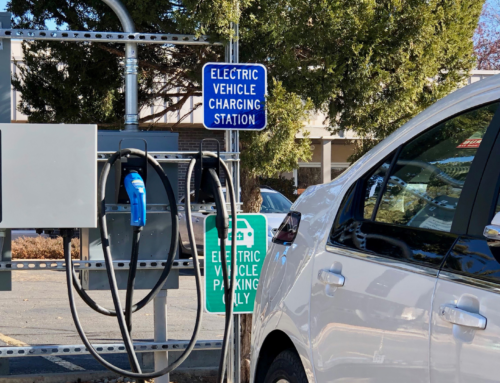
The EPA refers to zero-emissions transportation as modes of transport – such as vehicles, trucks, planes, ships – that produce no emissions of criteria pollutants when operational. Examples of zero-emissions transportation include electric vehicles, electric buses, electric vehicle charging station infrastructure, fleet electrification and more. Taking public transportation is a great way to significantly reduce your carbon footprint.
These net-zero transportation solutions rely on a variety of innovative vehicle types, technologies, and fuel types designed to reduce GHG emissions. By replacing fossil-fuel-powered systems with clean technologies, zero-emissions transportation represents a key pillar in achieving net-zero climate goals.
How Transportation Impacts Our Environment and Health
Currently, the primary source of energy for the transportation sector is petroleum, which includes gasoline and diesel. In 2023 alone, transportation activities resulted in 1.86 billion metric tons of carbon dioxide emissions. These emissions are primarily caused by burning fossil fuels, which release harmful pollutants into the atmosphere.
This pollution, specifically carbon dioxide, can be absorbed into oceans and disrupt aquatic ecosystems, causing extreme weather events that cost billions of dollars in damages annually. It is more than an environmental issue—it’s a public health crisis. Fossil fuel emissions contribute to smog and poor air quality, which can negatively impact our health and welfare. Pollution from transportation coupled with the impacts of climate change have resulted in increased health costs from cases such as worsened asthma and cardiovascular, metabolic, reproductive, and nervous system conditions.
Federal Investments Into Sustainable Transportation
Recognizing the urgent need to address the impact of transportation on climate change, the U.S. government has made historic investments in sustainable transportation:
- Bipartisan Infrastructure Law (BIL): Signed in 2021, this law directs $660 billion into transportation, including funding for clean transit systems, rail networks, and electric vehicle infrastructure.
- Inflation Reduction Act (IRA): Enacted in 2022, the IRA marks the single largest investment in climate and energy in the U.S. It includes allocating $27 billion to the Greenhouse Gas Reduction Fund (GGRF) to accelerate zero-emissions initiatives. Together, these two laws aim to cut emissions by 40% by 2030, supporting historic investments into transportation and EV infrastructure development.