The Greenhouse Gas Reduction Fund (GGRF) presents an extraordinary opportunity for communities, businesses, and organizations to accelerate their decarbonization efforts while accessing affordable financing. Administered through programs like the National Clean Investment Fund (NCIF), these initiatives aim to reduce greenhouse gas emissions and foster cleaner energy solutions. However, alongside these benefits comes the need for compliance with critical federal regulations.
Projects receiving funding through the GGRF must comply with the following federal regulations:
- Davis-Bacon and Related Acts (DBRA): Applicable to all federally funded construction projects.
- Build America, Buy America Act (BABA): Applicable to all federally funded projects that qualify as “public infrastructure,” which is determined by the Public Function test, even if infrastructure is not the primary purpose of the project and if the project includes non-federal funding.
- National Historic Preservation Act (NHPA): Applies specifically to renovations on buildings over 50 years old or to buildings on the National Register of Historic Places.
Below, we break down the key compliance areas and what they mean for your clean energy or decarbonization project.
1. Davis-Bacon and Related Acts (DBRA)
The Davis-Bacon and Related Acts (DBRA) mandates that federally funded or assisted construction projects pay workers prevailing wages, which are determined by the Department of Labor based on the project’s location and type of work. This ensures fair compensation for those working on infrastructure improvements.
For projects funded through GGRF, compliance with DBRA involves more than just wage alignment. It also requires detailed reporting to confirm adherence to wage requirements. Contractors and sub-contractors must provide a Certificate of Compliance and weekly certified payroll records demonstrating wage compliance.
2. Build America, Buy America Act (BABA)
Compliance with the Build America, Buy America Act (BABA) is a key requirement for projects funded through the GGRF when they are deemed “public infrastructure.” This means that all iron, steel, manufactured products, and construction materials used must be produced in the United States if it is a “public infrastructure” project.
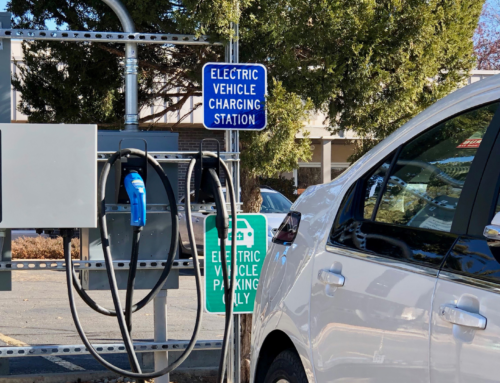
The determination of whether a project qualifies as “public infrastructure” is guided by the Public Function test. Examples of public infrastructure include community solar projects serving residential communities, public EV charging stations, and publicly-owned transportation facilities. In contrast, projects like privately-owned multifamily housing or EV charging stations at private facilities without public access are considered non-public infrastructure and are not subject to BABA requirements.
3. National Historic Preservation Act
If your project involves renovations on buildings that are over 50 years old or those listed on the National Register of Historic Places, the National Historic Preservation Act (NHPA) Section 106 comes into play. This act ensures that federally funded projects respect and preserve the historical significance of these structures.
The process involves identifying any historic properties that could be affected, assessing the potential effects of the project, and working to avoid, minimize, or mitigate any adverse impacts. The NHPA plays a vital role in preserving cultural heritage while enabling progress.
Why Compliance Matters
Compliance with these federal regulations is critical to secure and maintain funding. Adhering to DBRA, BABA, and the NHPA not only ensures your project’s success but also contributes to fair labor practices, economic growth, and the preservation of history.
By understanding these requirements and integrating compliance into your planning and implementation processes, you can streamline project execution and focus on achieving your decarbonization goals.