If you’re looking for a simple, energy-efficient way to heat water you use at your home or business, a heat pump water heater (HPWH) could be a great option. These systems can be two to three times more efficient than electric resistance water heaters.
What is a Heat Pump Water Heater?
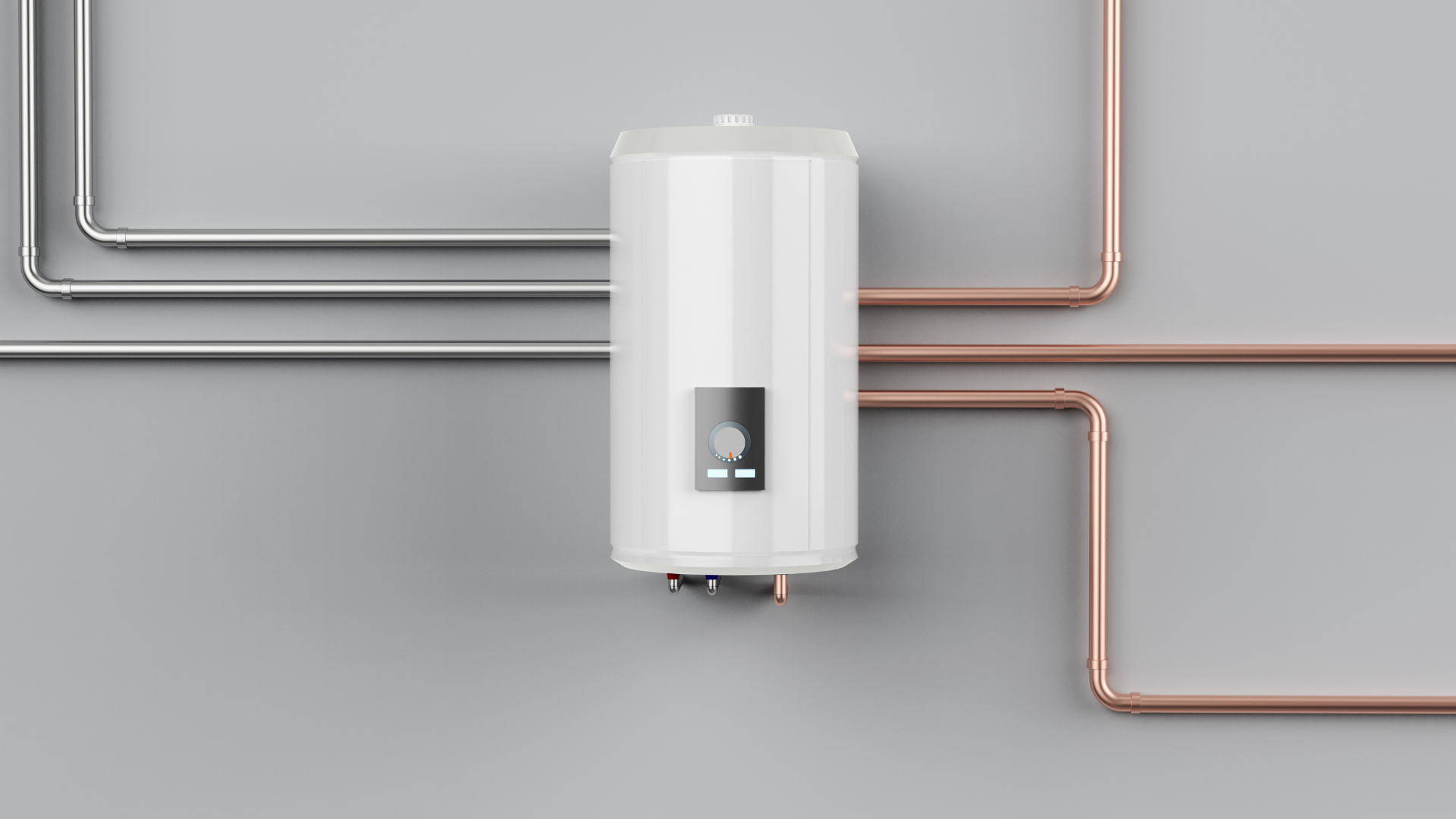
Unlike traditional water heaters that generate heat directly from gas or electricity, heat pump water heaters use an air compression process to heat water efficiently, moving heat rather than creating it.
Here’s how they work:
- The system draws in warm air from your home and moves it into an evaporator.
- Inside the evaporator, the air is compressed, causing its temperature to rise.
- The heat from the compressed air is then transferred to the water in the tank.
This makes heat pump water heaters an excellent choice for homeowners seeking an energy-efficient solution for their water heating needs.
Why make the switch?
While installation costs can be higher than those of standard electric or gas water heaters, HPWHs can help you save up to $200-$400 annually, depending on usage. Monthly utility savings add up quickly, helping offset the initial investment.
Beyond economic value, benefits include:
-
- Efficiency: According to the U.S. Department of Energy (DOE), HPWHs use two to three times less energy than conventional models.
- Longevity: According to New York State’s home energy upgrade planning tool MyEnergy New York, these models last longer than standard water heaters and cost less to operate. Routine maintenance can help your water heater last longer and run more efficiently. For optimal performance, follow the maintenance recommendations in your owner’s manual.
- Safety: Because heat pump water heaters don’t use fossil fuels and produce fewer greenhouse gas emissions, they eliminate risks like gas and carbon monoxide leaks, making them a safer alternative to traditional water heating methods.
- Dehumidification: Heat pump water heaters naturally dehumidify the surrounding air as they operate, helping reduce moisture levels in basements, garages, or utility rooms.
Is a heat pump water heater right for your home?
HPWHs perform best in areas that stay between 40°F and 90°F, such as basements, garages, or utility closets with good airflow. If your current water heater is over 10 years old, now’s a great time to upgrade before requiring an emergency replacement. You can also opt for a hybrid model, which combines heat pump technology with a traditional electric heating element. These systems automatically switch modes as needed, ensuring you always have plenty of hot water even during periods of high demand. In some cases, heat pump units can even be retrofitted to work with an existing conventional storage water heater, reducing the need for full replacement.
Where to start
If you’re ready to explore whether a heat pump water heater is right for your home or business, but aren't sure where to start, here are a few easy first steps:
- Check your space and current setup. Note the location and age of your existing water heater and ensure there’s adequate airflow (or space for ducting). Most models require at least 1000 cubic feet of surrounding space to function properly. This HPWH Installation Tool provides a personalized recommendation to fit your specific needs and takes under 10 minutes to complete.
- Contact a qualified contractor. Look for contractors experienced in heat pump technologies. Many utility partners and local energy programs can provide referrals. You can also refer to the CCEF contractor directory to find a qualified installer near you.
- Explore rebates and incentives. Programs through utilities, local governments, and federal tax credits can significantly reduce upfront costs. With recent policy changes, now is an ideal time to explore Colorado HPWH incentives to avoid leaving money on the table in the new year. View Colorado Energy Office's heat pump tax credits here to learn more. Are you a homeowner? Check out this incentive calculator to get an idea of what incentives you could qualify for.
- Select your HPWH. Select an Energy Star-certified heat pump water heater and start saving energy now.
Conclusion
Heat pump water heaters offer an efficient, cost-effective way to reduce energy use and improve comfort. With the right setup and support, making the switch is simple and more accessible than many homeowners realize. Whether you’re planning ahead or ready to upgrade now, you can explore your options and take the next step toward a more efficient home.
If you’re a contractor or HVAC installer looking to expand your knowledge or expertise, CCEF is hosting the Heat Pump Water Heater Symposium on February 11, 2026. The in-person event will provide valuable information on Heat Pump Water Heaters, the Quality Installer (QI) program, and available rebates from Tri-State Generation & Transmission and Xcel Energy. Hear directly from utility experts, manufacturers, and technical experts as they share how today’s improved models and programs are making HPWH installations more accessible, reliable, and profitable. Spots are limited, so click here to save your spot for this educational event.
References:
- Building America Solution Center. (n.d.). Heat Pump Water Heater installation tool. U.S. Department of Energy. https://basc.pnnl.gov/hpwh_installation_tool
- Department of Energy. (n.d.). Heat pump water heaters. Energy Saver. https://www.energy.gov/energysaver/heat-pump-water-heaters
- ENERGY STAR. (n.d.). Heat pump water heaters. U.S. Environmental Protection Agency. https://www.energystar.gov/products/heat_pump_water_heaters
- Massachusetts Clean Energy Center. (n.d.). How heat pump water heaters work. Clean Energy Lives Here. https://goclean.masscec.com/article/how-heat-pump-water-heaters-work/
- MyEnergy NY. (n.d.). Heat pump water heaters. New York State Energy Research and Development Authority. https://myenergy.ny.gov/how-to-upgrade/heating-cooling/heat-pump-water-heaters/